EXECUTIVE OF THE WEEK:FELICITE NSON,MANAGING DIRECTOR UGANDA BREWERIES LTD
- 8:10 pm
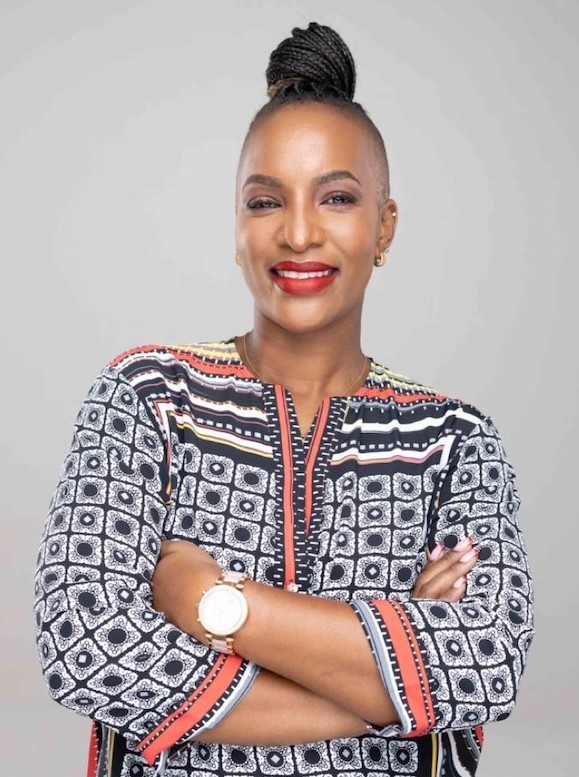
A little over a year into the corner office of a brewer that turns 80 this year, Felicite Nson is showing that being first in the chair matters less than what she does once she is sitting in it.
Corporate handovers are usually quiet affairs. At Uganda Breweries Limited, this one had a bell.
When Andrew Kilonzo passed over the managing director’s office, the board marked the moment with a ceremonial bell handover. The gesture carried extra weight, because the person receiving it was the first woman ever to lead the company.
What stands out about Nson is less the milestone than the route she took to it. She is a marketer by training and instinct, and her career reads like a case study in how commercial people become chief executives.
Early on she was Advertising Manager at Coca-Cola West Africa, then Head of Consumer Marketing at MTN Cameroon.
She joined Diageo in 2014 as Commercial Director for Guinness Cameroon. Ghana came next, first in sales and marketing leadership and, from 2023, at the top of the business.
That sequence, brand first and balance sheet second, is one African boardrooms should look at more often.
Ghana is where her reputation was built. During her tenure Guinness Ghana became Diageo’s fastest-growing market on the continent, with revenue up 36% and operating profit up 83% in the first half of the 2025 financial year.
Her profile there also includes a business more than doubled in size, a team guided through a change of ownership, and employee engagement scores above 90%.
Her peers noticed. She was named CEO of the Year for the alcohol beverage industry at Ghana’s CEOs Summit.
Growth figures of that kind are easy to admire.
Engagement figures like that are harder to fake, and they say something about how a leader treats the people doing the work.
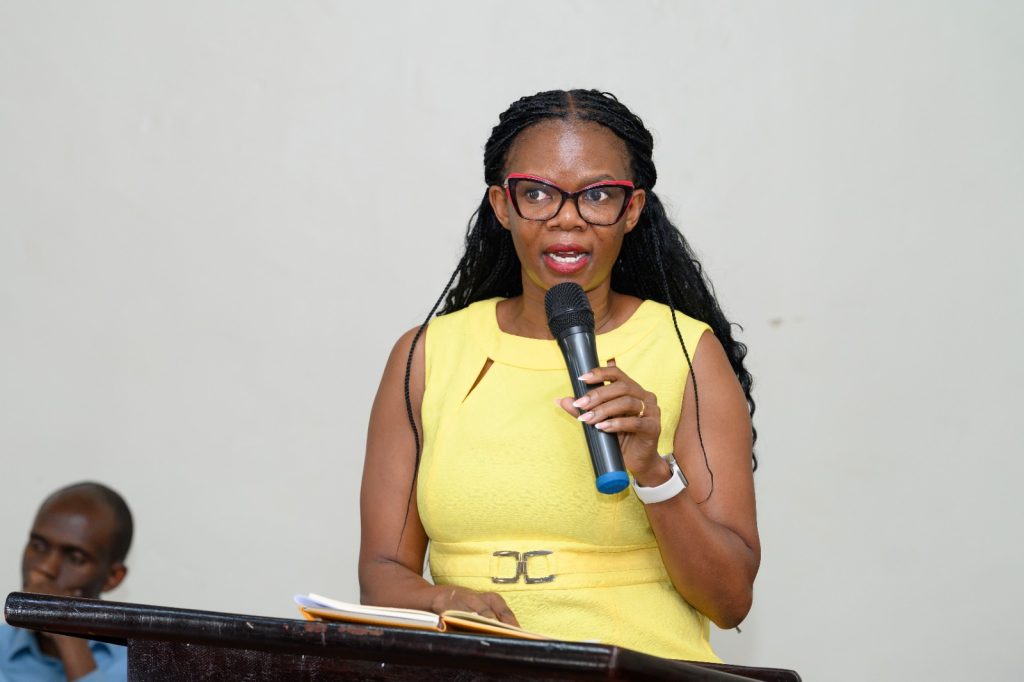
That people-first thread runs through her Kampala tenure. Her first major public address as UBL’s MD came at the PeopleBrand House C-Suite Leadership Dialogue, on succession and career progression.
It is telling that a new managing director spent her opening public moment on talent rather than volumes.
She described UBL’s strength as a blend of deep institutional memory and a steady supply of fresh perspectives, and pointed to Ugandans who started at the company and now hold continental roles as proof that ambitious careers are built there.
The fresh-perspective half of that formula, she explained, comes through inclusive recruitment, graduate programmes and the deliberate bringing in of specialist skills.
It is a sensible position for someone inheriting a house with a long memory. She is honouring it without letting it harden.
The company’s 80th anniversary year has given her a stage for a second argument, about what a brewer owes the country that hosts it.
In March, UBL, the National Forest Authority and Rotary launched a three-year, UGX 372 million project to plant 80,000 indigenous trees in Namananga Central Forest Reserve in Kayunga. Nson framed it plainly: a company that has brewed for eight decades depends on a healthy environment, and the planting had already passed 28,000 seedlings when she spoke.
Water and farmland are a brewer’s raw materials, so this is closer to self-interest, sensibly understood, than to charity.
Two weeks later she turned to the other end of the supply chain. At UBL’s Luzira headquarters she signed a five-year partnership with the Uganda Red Cross Society, aimed at cutting alcohol-related harm and improving road safety through campaigns such as Wrong Side of the Road and Eyo Red Card.
Her message was that a brewer’s responsibility does not stop where the sale is made, and that the deal marks a shift from raising awareness to acting on it.
Critics will reasonably say a brewer talking about responsible drinking has an obvious interest. A five-year commitment with a national humanitarian organisation is still a sturdier answer than a poster campaign.
The commercial side of the house is visible too. In August, she joined her commercial, corporate relations and marketing directors on the podium at the fifth Tusker Lite Mt Rwenzori Marathon, billed as Uganda’s only World Athletics Label Race.
It was a small scene, but it showed a leadership team standing together at a brand moment.
The expectations were set on day one. UBL’s chairman, Jimmy D. Mugerwa, said he trusted her to deepen market penetration, advance inclusion and diversity, and drive sustainable growth. Twelve months in, the early evidence points toward all three.
The full verdict will come from the numbers, and from whether the trees stand and the road-safety message sticks.
Nson has, though, already done what the best incoming chiefs do. She has told the company what she values, and then put money and time behind saying it.
At Evolve Africa, we celebrate Nson this week.